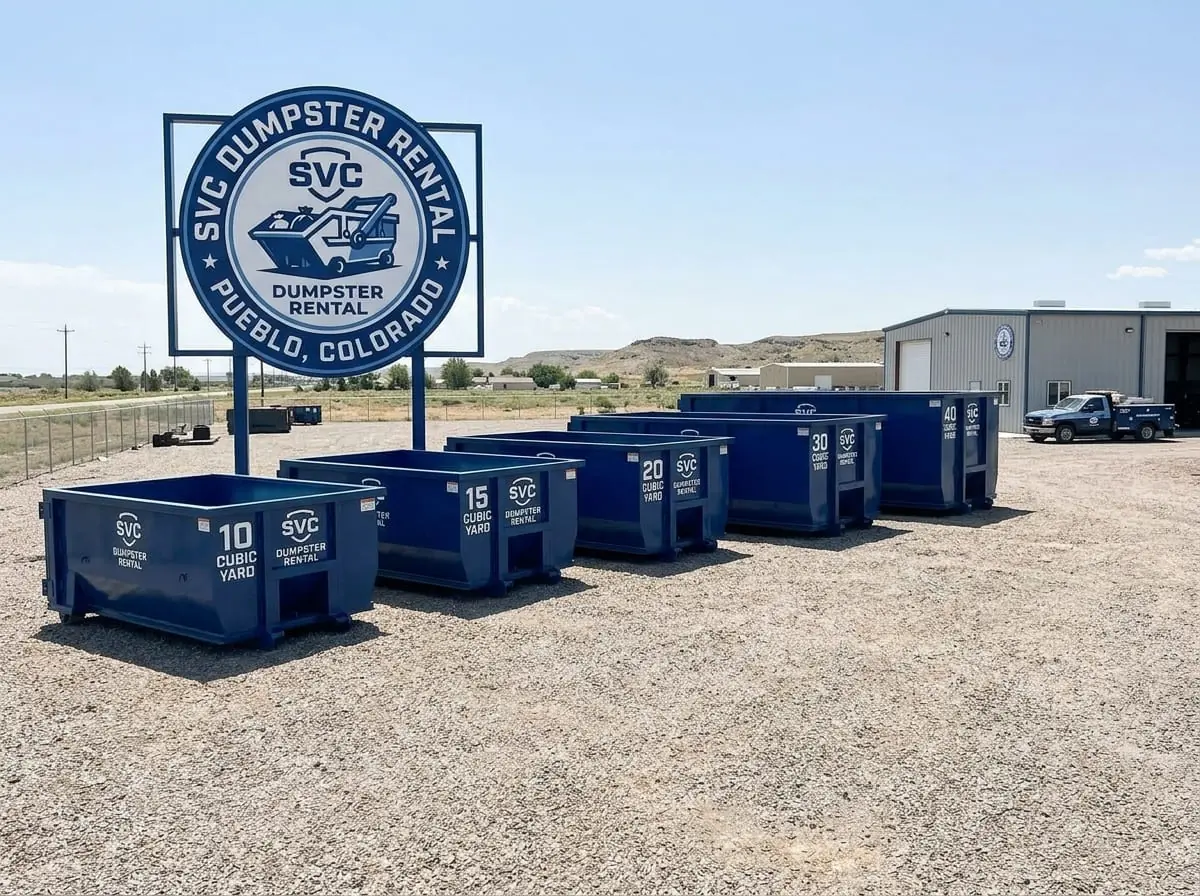
Dumpster Size Guide: Which One Do You Need in Pueblo?
The complete sizing guide: how to pick the right container by matching your debris to the two limits that actually matter — volume and weight.
ReadCleanouts guide
A practical, no-pressure guide to clearing a Pueblo-area home after a loss or a move, room by room.

Clearing a home after a loss, or ahead of a move into assisted living, is rarely a simple logistics problem — it is an emotional process that happens to also require moving a lot of physical belongings out of a house. This guide covers the practical side plainly, without pretending the rest of it is simple too.
Before anything goes in a container, it is worth a pass through the home specifically looking for items with resale or donation value — furniture in good condition, working appliances, jewelry, collectibles, tools, and anything a local charity, consignment shop or estate-sale company would take. This step is easy to skip when the process already feels overwhelming, but it is the step that most affects whether the cleanout ends up costing money or partially paying for itself.
Most families find it easier to clear one room fully before moving to the next, rather than trying to sort the whole house's decisions at once. Bedrooms and closets tend to hold the most emotionally difficult decisions; start with garages, basements and storage areas where the choices are more straightforward, and build momentum before tackling the harder rooms.
A lot of Pueblo's housing stock dates to the CF&I Steel Works era, and estates in these older homes often include detached garages, sheds and additions accumulated over decades — sometimes more storage space than the house itself appears to have. Mention the full scope of the property, not just the house, when you book a container so it is sized correctly.
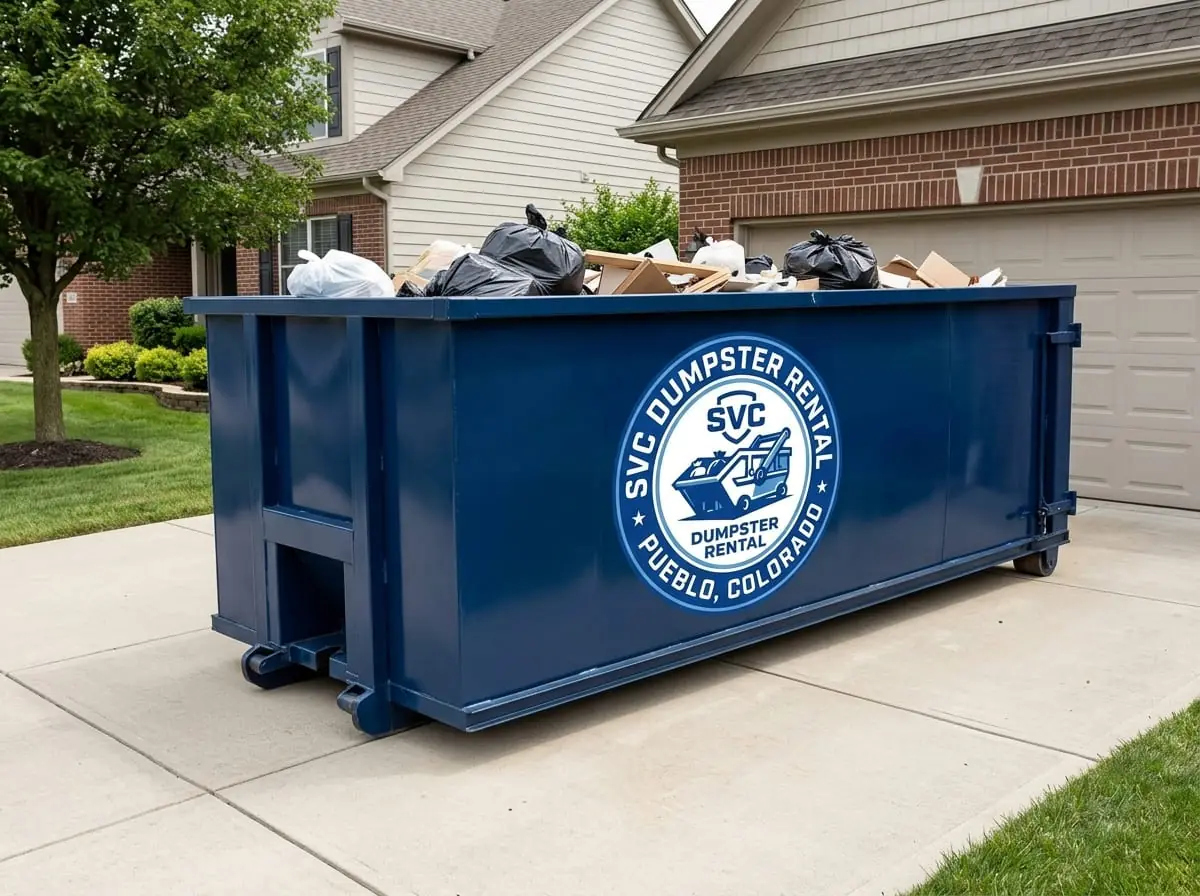
A typical single-family estate cleanout fits a 20 yard container. A larger home, or a cleanout that includes a detached garage or shed, often needs a 30 yard. If the cleanout is happening in stages over several weeks, a longer rental period or a second container later is usually simpler than trying to fit everything into one visit.
Older homes commonly turn up household hazardous waste in the garage — old paint, solvents, pesticides and fuel — none of which can go in a standard container. The Colorado Department of Public Health and Environment (CDPHE) publishes guidance on where these need to go instead; ask us if you are not sure about a specific item.
We do not put pressure on an estate-cleanout rental timeline. Tell us roughly what you expect and we will quote a period that fits it, with a straightforward path to extending if the process takes longer than planned — which it often does, and that is completely normal.
Talk to a real person
Call (719) 504-5824 and describe the job. Flat price, stated tonnage allowance, and a delivery window on the same call.
Mon–Sat 7:00am – 7:00pm
From this guide
It varies widely depending on the size of the home and how many family members are involved in decisions. We do not pressure a rental timeline — tell us roughly what you expect and we will quote accordingly, with the option to extend.
Anything with resale or donation value — furniture in good condition, working appliances, collectibles, and anything a local charity, consignment shop or auction house would take. Sort that out first, then the container handles what's left.
Yes. Many families work through an estate cleanout over several visits rather than all at once. We can schedule a longer rental period or a second container later if the first pass does not cover everything.
Keep reading
The complete sizing guide: how to pick the right container by matching your debris to the two limits that actually matter — volume and weight.
ReadPlanning a xeriscape conversion in Pueblo's high-desert climate — what actually comes out of the yard, and how to size the container for it.
ReadWhat actually comes out of a renovation on one of Pueblo's older CF&I steel-era homes, and how that changes the sizing math.
Read